Sunday, July 5, 2015

DIY project - peach, oatmeal, honey facial mask

During summer you can use benefits for your skin from fresh fruits and vegetables. They all have a lot of vitamins, minerals and proteins which can really improve your skin condition.
Today we will talk about peaches.
The scientific name persica, along with the word "peach" itself and its cognates in many European languages, derives from an early European belief that peaches were native to Percia.  The Ancient Romance referred to the peach as malum persicum "Persian apple", later becoming French pĂȘche, hence the English "peach".
The peach is a succulent, aromatic and juicy fruit which has also positive impact on the skin. A rich source of vitamins, minerals, antioxidants the fruit is ideal component for DIY facial masks.
The main effects of peaches on the skin are moisturizing and regenerating.
- Vitamin A - helps to help to regenerate your skin tissue.
- Vitamin C - reduces wrinkles and boost collagen production,
- Alpha Hydroxy Acids help to rejuvenate your skin and improve skin complexion,
- Potassium, magnesium, and selenium restore the moisture of the skin and help to protect the skin from hazardous ultraviolet rays.


 The DIY mask is easy to prepare.

Just 4 components for PEACH facial mask:
- peach (of cause)
- oatmeal
- honey
- vitamin E

it has some great benefits for a healthy skin.


1. Deseed the peach and cut it in small pieces.


2. Crush a peach in a blender (or in food processor)


You can get about 3-4 Tbs of peach puree.


3. Grind 3 Tbs oatmeal or use oatmeal flour.


4. Mix 1 Tbs of honey and one pipette of vitamin E (you can use vitamin E in capsules, just squeeze 2 capsules)


5. Combine all ingredients together and mix well.
- 3 Tbs peach puree
- 3 Tbs oatmeal flour
- 1 Tbs honey
- 2 capsules vitamin E


You can regulate consistency, which you want, by adding more oatmeal flour or peach puree. I like paste-cream masks, like on the picture.


To USE:
- Apply to your face, leave for 20 minutes then rinse your skin by warm water and gently pat the skin dry.
Any remaining mixture can be stored in the refrigerator for 1-2days.

Your skin is soft and smooth as silk, right?

Saturday, June 27, 2015

About facial toner.

Toner usually has a water type consistency that is either sprayed on the face or rubbed on the face with a cotton ball or pad. It is not rinsed off.  It is applied after cleansing.

The main purposes of toner:
1) to clear your face of any traces of cleanser or soap left behind after washing;
2) to protect and remove chlorines and minerals present in tap water;
3) to prepare your skin for getting serum or cream because toner helps absorption of beneficial ingredients;
4) to balance your skin’s pH levels;
5) to provide hydration to your skin, which is essential to maintaining elasticity, smoothness, moisture and a more youthful appearance.
6) to provide vitamins and other essential skin nutrients to keep your skin healthy.


Thus, the toner should be well formulated to provide all its function (see above).
What does it mean?
Toner should be water-based solution with beneficial ingredients, such as, antioxidants, skin reparing agents, vitamins, minerals, moisturizing substances.
But, on the other hand, toner for any skin types should not contains irritating ingredients, such as alcohol, citrus, or fragrant ingredients, whether they are synthetic or natural. For example, the most toners for oily, blemish-prone skin contain alcohol, witch hazel (with alcohol), or menthol that hurt your skin, and stimulate even more oil production.
If you catch the perfect toner for your skin you'll find that applying a toner can be the perfect addition to your skin-care routine!
- All about toner for normal and dry skin
- All about toner for mature, tired and stressed skin
- All about toner for oily skin 

Sunday, June 7, 2015

Summer inspiration - handmade soap.

Summer is a beautiful season of the year - the vibrant colors of flowers, the blue skies, the golden sunshine, sandy beaches and warm sea...
I created a few recipes of handmade soaps for spring-summer topic where I used different colors, using minerals pigments and floral/fruity fragrances. All soaps made by cold process method and I used swirling technic for creation of mixed colors.
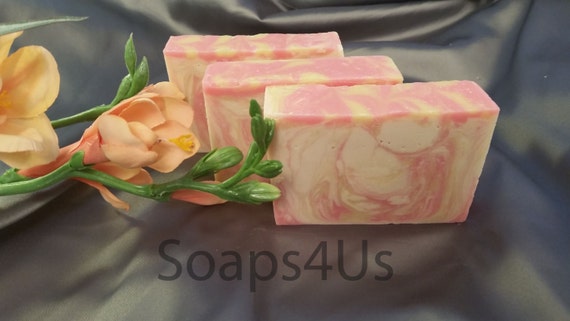
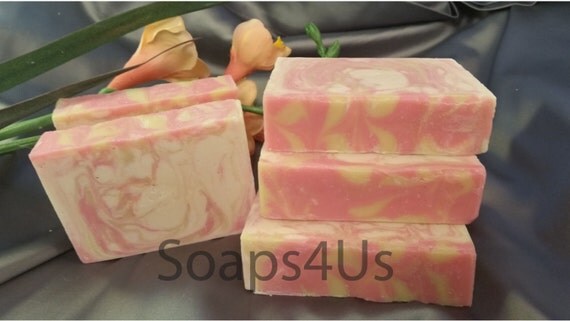
This is Freesia Soap:
An aroma of delicate fresh freesia is laced with delicious fruit tone! Not too flowery but not too fruity either.
Ingredients: Saponified oil- apricot, rice bran, coconut, sustainable palm, olive, castor; distilled water, sodium lactate, pigments for coloring, fragrance (phthalate-free). 
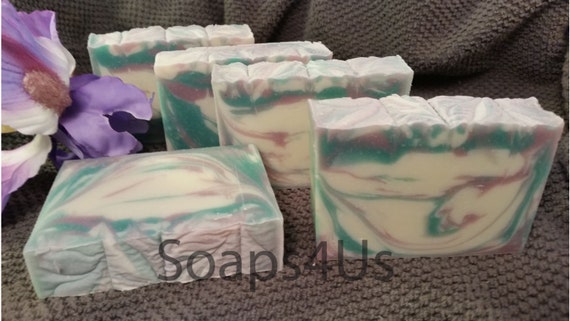
Iris Soap:
It smells so great! A delicate fragrance with mid notes of Iris, White Rose and Mediterranean Fig…
Ingredients: Saponified oil- rice bran, grape seed, coconut, sustainable palm, olive, castor; distilled water, sodium lactate, pigments for coloring, fragrance (phthalate-free).

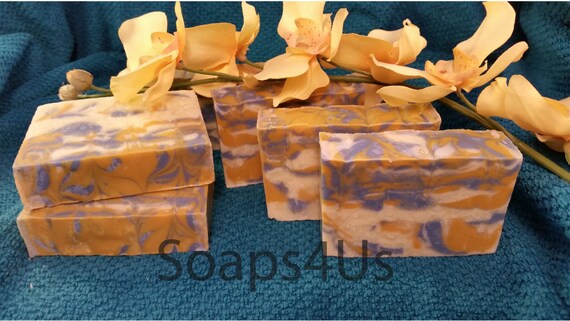
Orchid Soap:
A bouquet of delicate orchids is laced with fresh green accents to balance the fruit accord! It’s really good famine scent! But guys also like this. 
Ingredients: Saponified oil- coconut, sustainable palm, olive, castor, cocoa butter; distilled water, sodium lactate, pigments for coloring, fragrance (phthalate-free).

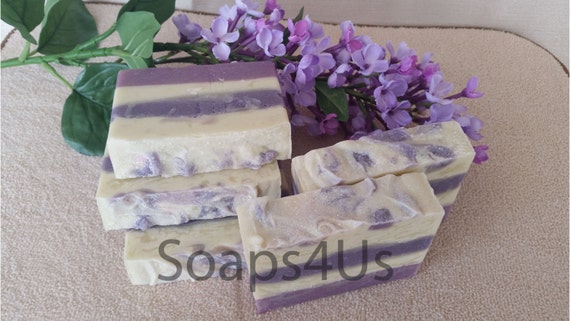
Lilac Soap: 
A magnificent light freshly blooming lilac bush scent! A soft, gentle, floral. This is very true to the flower.

Ingredients: Saponified oil- coconut, sustainable palm, olive, grape seed, castor, cocoa butter, shea butter; distilled water, sodium lactate, fragrance (phthalate-free).
All of these soaps create nice lather and summer mood! So, have a nice summer!


Monday, May 25, 2015

The Jojoba beads, walnut shells and bamboo powder for exfoliation your face.


While regular skin cleansing is definitely beneficial, exfoliating your face on a regular basis can help to rejuvenate your skin. Exfoliation can bring new life to your skin complexion.  But you need to take in consideration how to choose facial scrub correctly.
Exfoliation has the following benefits:
- improving your skin texture,
- increasing skin penetration for serums and moisturizers,
- reducing all signs of aging,
- helping to clear acne and breakouts.

I have pretty sensitive skin and I need to be careful with any kind of "procedures" like deep cleansing and exfoliation. For example, any sugar- or salt-containing scrubs caused irritation of my skin.  For formulation of facial scrubs for sensitive skin I've tried the ultra fine walnut shells, jojoba beads and bamboo powder.
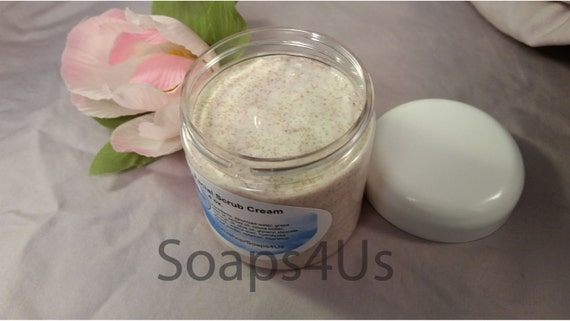
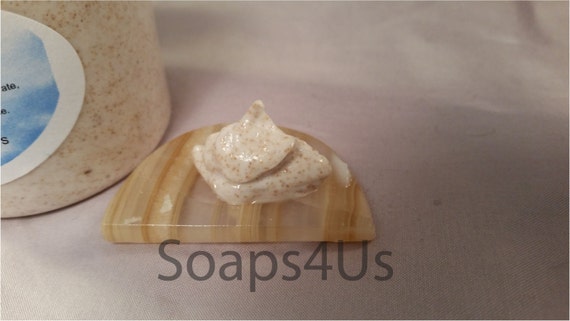
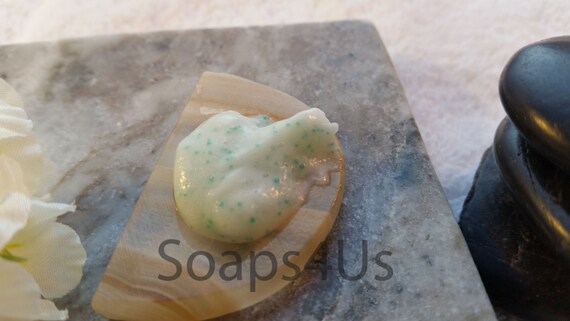
1. This is mild facial scrub with cream base and walnut shells.
The ultra fine walnut shells exfoliate dead surface skin cells without irritation.
Aloe juice improves the surface of the skin making it smoother.
Grape seed oil easily absorbed by the skin and can help retain natural moisture. It is high in linoleic acid which has anti-inflammatory properties and is a healing fatty acid.
Rice Bran Oil is rich in Vitamin E and anti-oxidants. It is especially beneficial for treating dry and mature skin.
Cocoa Butter is considered to be one of the best moisturizers and has been used to keep the skin soft, and supple, for centuries.
Apricot Oil is good for all skin types. It is very rich and nourishing - particularly in vitamin A.
Hydrolyzed Pea Protein helps to improve the skin's moisture barrier for true hydration and dry skin relief and protection from environmental aggressors.

To create very smooth texture of cream I used emulsifier Olivoil Glutamate, naturally derived from olive oil.
How to use:
1) Wash your face with any facial cleanser. 2) Splash face with warm water. 3) Scoop out a small amount of scrub and gently massage scrub all over the face in circular motions. 4) Rinse with water and pat dry.
You can use it as mask, just leave a few minutes on your face and after that wash out.
How often: Once a week for normal and dry skin. Twice a week for oily skin.
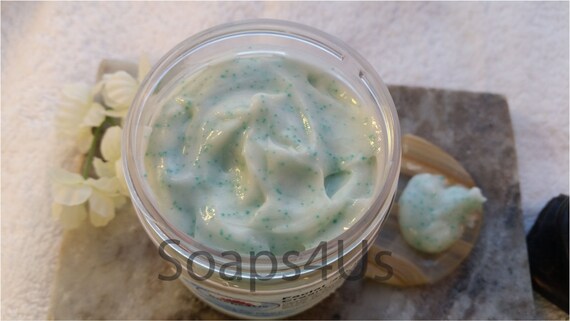
2. This is Facial Bamboo Mask-Scrub with jojoba beads.

The perfectly round jojoba beads and bamboo powder act as a gentle exfoliants. By the way, bamboo powder alone too mild and not enough for exfoliation even for my sensitive skin.
Avocado Oil -contains Vitamins A, B1, B2, D, E, and Beta carotene. It is classified as a monounsaturated oil and is best suited for dry skin conditions in topical applications.
Mango butter delivers softness, protection, and regenerative activity to the skin.
Almond oil is an excellent emollient and is known for its ability to soften and re-condition the skin. It is rich in proteins, Olein Glyceride Linoleic Acid and Vitamin D, and is considered extremely nourishing - particularly when used regularly.
And, again, Rice Bran oil - because this is one of the best sources of tocotrienols, an antioxidant that may be much more powerful and effective than Vitamin E.
Hydrolyzed Soy protein is an awesome source of Isoflavones. The role of isoflavones is widely appreciated and is currently the subject of intense research. Isoflavones appear to protect the skin against aging and helps bring back a youthful radiance.
Oat Beta-Glycan, Bamboo Extract, vegetable Glycerin and Hyaluronic acid make this creamy mask super hydrating and nourishing.
How to use:
Apply generously to skin leaving out lips and eye area. Leave on skin for 5 to 10 minutes. Rinse off using small circular motion to slough off dead skin.

Finally, I'm pleased with both scrubs I described to you because they are perfect for all skin types even for sensitive skin that exfoliate with nourishing and hydrating at the same time.

Sunday, May 17, 2015

How to choose facial scrub

Regular exfoliation (and moisturizing after this) will keep facial and body skin looking fresh and youthful. But scrubs for your face and  for your body should be different! What the features of scrub should you keep in mind when you choice facial scrub?
1. The size of particle!
For facial exfoliators, choose a milder exfoliant to avoid the risk of broken blood vessels. You just need to remove gently of dull, dry surface layer of skin. Usually  powdered natural components (walnut shells, rosehip seeds, cranberry seeds, strawberry seeds), enough for cleansing and refining of the facial skin.  The larger particles are less expensive than the smaller particles but they are also less desirable due to their potential for skin damage. If you make your own scrub, use the smallest particles, but exfoliate REGULARLY, don't try to get tremendous results just for one procedure.
                                                               source of picture - BrambleBerry®
2. The shape of particle!
If you have sensitive skin, you probably should avoid to use facial scrubs that have odd shaped particles like large pieces of sand or grit. Round spheres are no problem, for example, some cosmetic companies have also started to produce synthetic scrubs. Made out of polyurethane or other plastics, these microscopic beads work in just the same way as natural exfoliants, but are usually smoother and more uniform in size. The big disadvantage of these plastic/polyethylene beads is that they are non biodegradable. Too small to be sifted out at sewage treatment plants, these beads come to ocean and became a persistent pollutant.
Other alternative - jojoba beads. These tiny spheres, derived from the seeds of the jojoba plant, are uniform in size and shape and are gentle to the skin. 
                                                                    source of picture - BrambleBerry®
But, no matter which scrub you choose, exfoliate only two to three times a week; more frequent usage can cause irritation. For sensitive skin it's enough to exfoliate just one time a week.
And don't forget to apply a moisturizer after any exfoliation!

Wednesday, April 29, 2015

Mother's Day gifts ideas, Spring Craft Fair in Cedar Park, TX

Again, I will participate in Spring Craft Fair in Cedar Park, TX!

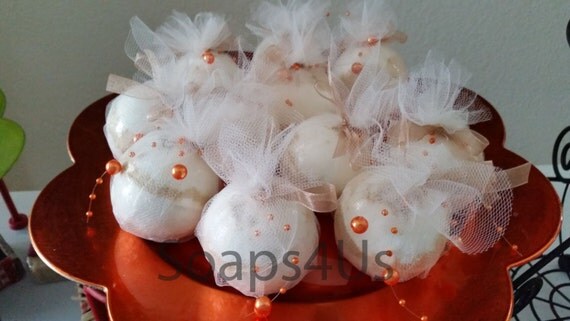
We've individually wrapped and decorated all our products. So, they are ready for gift giving! And these are nice ideas for Mother's Day gifts - bath bombs/fizzies are cute and useful.


Other idea for gifts:

Sunday, April 19, 2015

How to exfoliate your skin. Skin exfoliation and peeling.

We all know the importance of good cleansing, toning and moisturizing routines for our skin.
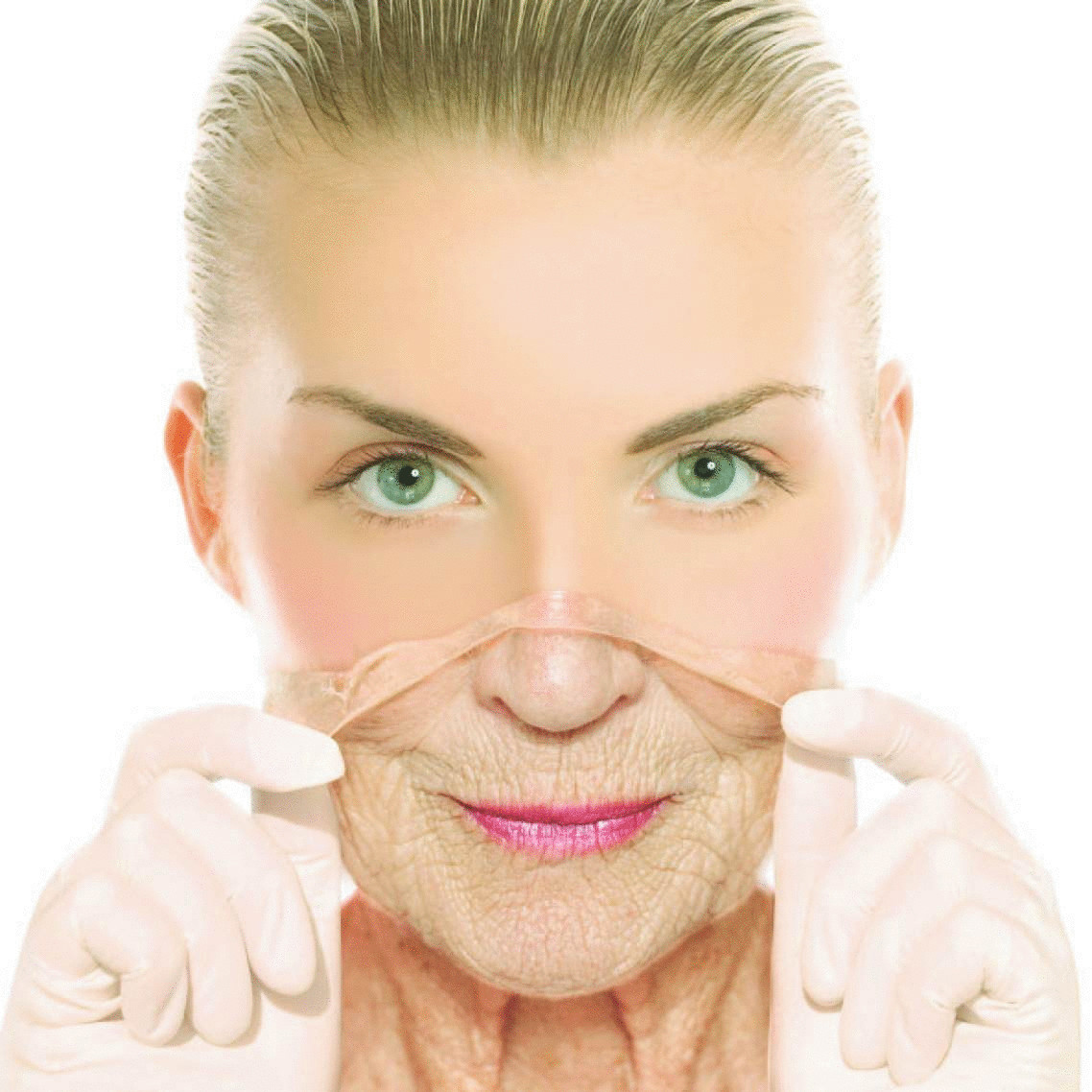
But exfoliating your face on a regular basis can improve the results and help to rejuvenate your skin.
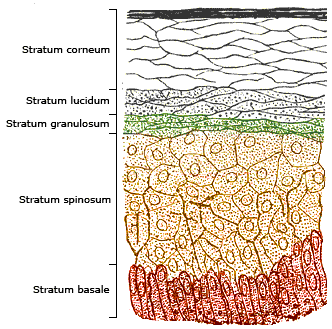
The stratum corneum (Latin words for 'horny layer') is the outermost layer of the skin. This layer is composed of 15-20 layers of flattened cells and varies in thickness from approximately ten to several hundred micrometres, depending on the region of the body.  The purpose of this layer is to form a barrier to protect underlying tissue.  It is composed of layers of dead, flattened keratinocytes surrounded by a lipid matrix, which together act as a brick-and-mortar system.
But horny layer is also very important from an aesthetical point of view. The properties of this layer influence the skin appearance because they involve skin texture and light reflection.
The horny layer continually undergoes natural exfoliation, due to its cells (corneocytes) renewal. However, if the cell turnover is slowed down because of aging or environmental aggressions, skin texture is impaired resulting in roughness and thickening of the horny layer.

There are two ways to exfoliate skin: 1) mechanical and 2) chemical, depending on the exfoliant agent.

The first way is the mechanical exfoliation. This is achieved by using products (scrubs) or devices that are mildly abrasive to mechanically slough off dead skin cells, revealing a fresher dewy complexion.

Exfoliation by mechanical abrasion has been proven to deliver similar skin anti-aging effects to that of retinoic acid (Marks R, et al.)
SmithW.P. equally demonstrated that removal of the superficial layers of the stratum corneum (SC) by tape-stripping induced many of the skin anti-aging effects compared to lactic acid and retinyl palmitate.
There are a variety of exfoliant materials available for the bath and body industry.  And you can find all natural ingredients for exfoliation at your local supermarket (or on the shelves of your kitchen). 
- Sugar
- Oatmeal
- Baking soda
- Coffee
- Ground nuts
- Salt
For facial exfoliators, choose a milder exfoliant to avoid the risk of broken blood vessels. I do not encourage anyone to use an exfoliant that consists of larger particles, or more harsh on the skin, than fine dead sea salts.

The second way is the chemical exfoliation, i.e. chemical peeling.

Chemical exfoliation consists of application of certain substances on the skin, which attack the cell junctions in the horny layer through enzymatic mechanisms or acidic pH. 

The exfoliation effects of acids have been especially investigated for the treatment of xerosis but it was not until 1989 that the anti-wrinkle effects of cosmetic use levels were recognized and first commercialized in 1992. Inducing horny layer turnover was thought to be a major anti-aging action of these acids especially with concentration increase and a lowering of pH.


The level of penetration, destruction and inflammation determines the level of peeling in the dermatological clinics. Considering chemical structure, exfoliating substances that are most often used in cosmetology contain alpha-hydroxyacids (glycolic acid, lactic acid, mandelic acid and citric acid), beta-hydroxyacids (salicylic acid) and other organic acids, such as trichloroacetic acid and pyruvic acid.
At home chemical peeling products should be formulated within the usage range of 0.1 to 12%, with a pH between 4.0 and 4.5. Please be aware that when you use  Alpha-Hydroxy Acids on the skin you are exposing new skin, which is much more susceptible to UV damage. Always follow with an adequate sunscreen. 

Referance:
- R.Marks, S. Hill and S.P.Barton,  British Journal of Dermatology (1990) 123, 457-466.
- Smith W. Stratum corneum barrier integrity controls skin homeostasis. Int J Cosmet Sci 1999; 21(2): 99–106.
- van Scott EJ, Yu RJ. Cutis 1989; 43: 222–228.
- Smith WP. Epidermal and dermal effects of topical lactic acid. J Am Acad Dermatol 1996; 35(3): 388–91.