Saturday, September 15, 2018

How to take care of skin in fall?


Fall is a season of transition for many things. As the days get cooler, we change out our summer clothes to warmer ones. But have you thought about how your skincare routine is affected by this shift to fall? 
Do you need to transition your skin care routine from summer to fall?
We all have different skin and skin care needs, but, in generally, a change of season typically means that how skin behaves on environmental change. So updating your skin care routine is definitely a good idea. 


Below are 6 tips to focus on when evaluating your skincare routine for the upcoming season.


1) Think about your cleanser.
Skin becomes way more susceptible to the environment as the temperature drops. You need a gentle cleanser that hydrates more your skin. With less heat and humidity in the fall, you may start to find that gel or foaming cleansers are a little drying as your skin isn't producing quite so much oil during the cooler months. 
After cleansing, think about how your skin feels. Is it comfortable and smooth? Or does it feel itchy and tight?
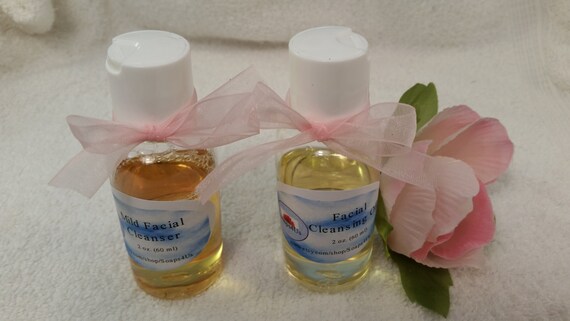
Switching to an oil cleanser or a richer, creamier product adds an extra layer of hydration.  It’s important to find a cleanser that is right for your skin conditions during season shift. 


2) Exfoliating.
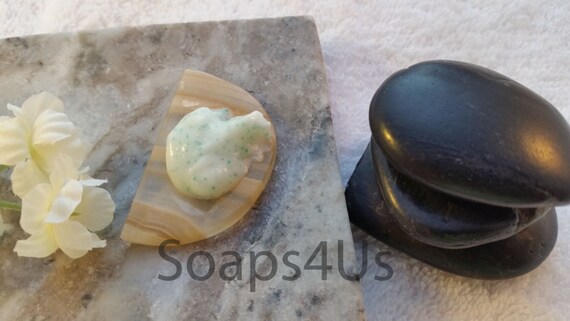
Fall is the perfect time to slough off dead skin cells to reveal a smooth, brightened appearance and to help repair any possible sun damage. And that’s why physical exfoliation is essential for repairing and brightening your complexion.Exfoliating can also help to reduce breakouts, as it removes dead skin cells trapped by oil. Look for a scrub that contains natural beads versus plastic beads. Also, choose beads that are perfectly round (like jojoba beads) so they can gently roll across the skin. Your skin will be able to soak up more moisture and nutrition after exfoliating.  


3) Use a heavier moisturizer.
In the summer you can get away with a lightweight moisturizer, but when the weather starts to cool down you will want to switch to a richer moisturizer. This will help to prevent any moisture loss and to improve the barrier function of the skin. Skin often needs extra nourishment, hydration and more moisturizing ingredients in autumn/winter.


4) Use a serum.
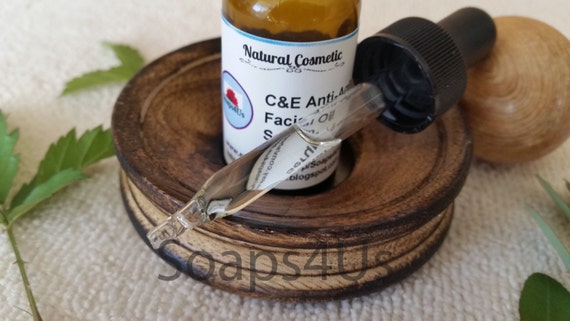
A drop in humidity, dry indoor environments, central heating, harsh winds and sudden temperature changes can all lead to dehydrated, dry skin, as well as flakiness, irritation, inflammation, dullness and even breakouts. What why you need to add more hydration; perhaps adding in a serum layer. During fall/winter a water/aloe-based serum is better to use in evening skin care routine, and oil-based serum/facial oil is suitable for daytime. Remember to layer lightest to heaviest product and water-based products - under oil based products). 


5) Don't forget the sunscreen!
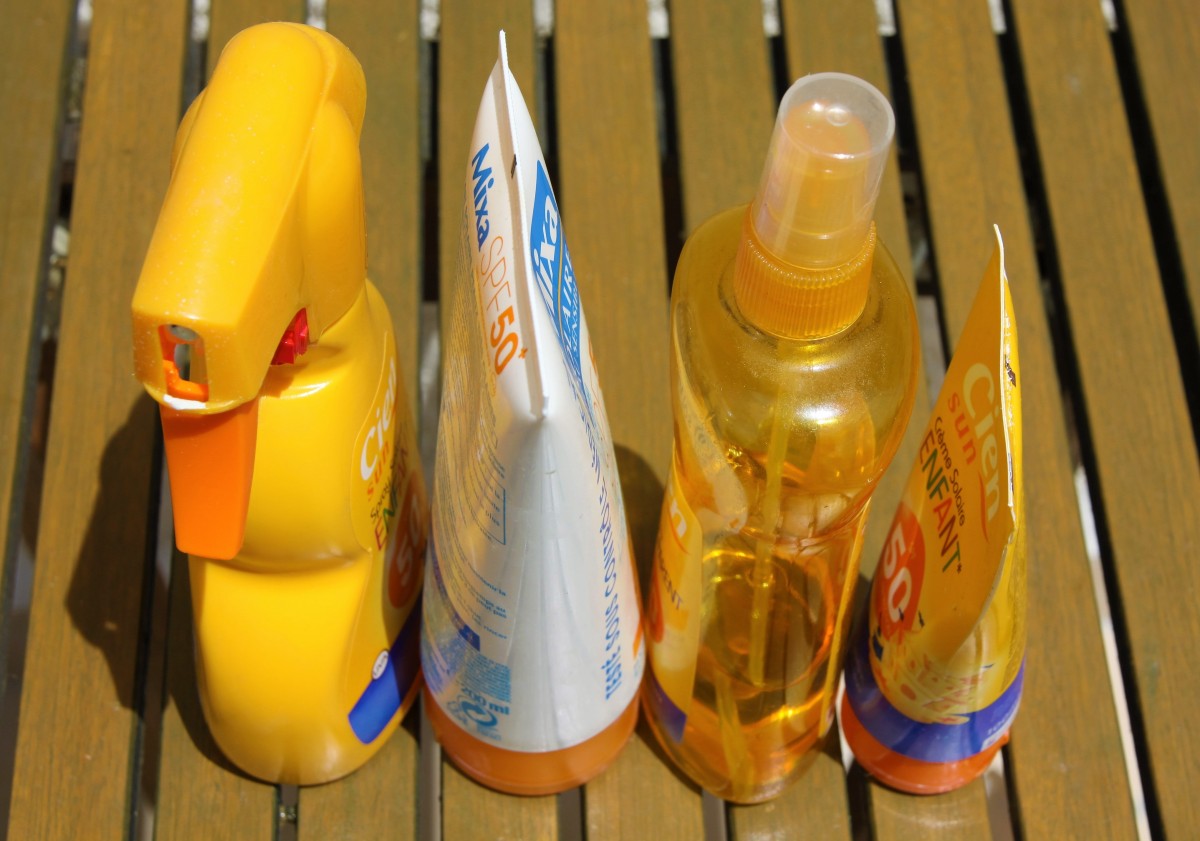
Protection from the sun's harmful rays is necessary all year round, so you really need to use your SPF no matter what is the temperature outside.

6)  Add hydrating and nourishing face masks.
If you skin tends to get really dry during the cooler months, changing your moisturizer isn’t always enough to give your skin the hydration it needs. But adding a cream mask to your skin care routine two to three times a week can definitely help. 
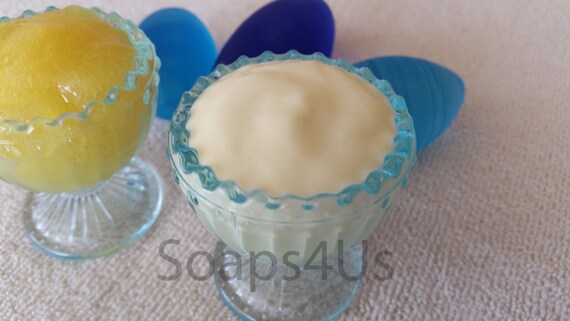

The last important thing is to listen to your own skin. You may even notice your skin type’s changes along with the seasons. And the same cream which got a good job in summer can cause tightness or dryness in winter. So, updating your routine is definitely a good idea if you want to keep your skin happy and looking and feeling great. 

 Read more:


Sunday, September 2, 2018

DIY project: anti-aging face mask after vacation time.


Everyone loves going on vacation. Vacation is the time to rejuvenate your mind, body and spirit. But after vacation sometime your skin is not happy! The triggers can be anything: changes in climate, your stress level, dehydrating airplanes, your diet while you away from home.
Yes, you can get dull skin even after the most amazing time on your vacation. Luckily there’s a solution: the face masks.
I just got back from my trip to Europe, and I got dehydrated, dull skin condition. I decided to use face mask treatment – 1 mask per day during 5 days.

The aims for this mask:
- this mask should hydrate skin,
- It must nourish skin
- and must have lifting/antiaging properties.
My mask contents: milk, corn starch, tomato and olive oil. Very simple! A corn starch and milk face mask contains a good amount of proteins enough to provide your skin with natural collagen that eventually makes you look younger and fresher.
Milk  has anti-bacterial, moisturizing, nourishing and antioxidant properties. It also helps to reduce the appearance of dark spots, wrinkles and blemishes, by restoring the skin's natural collagen. Read more about milk skin benefits

Sunday, February 25, 2018

Cosmetic properties of carrot


Carrots are fairly considered a vegetable of beauty and youth. 

Why?

Carrots are rich in carotenes, predominantly β-carotene, which is a known precursor of vitamin A and β-carotene also transforms into this vitamin when applied topically, because the enzymes and conditions required for its conversion to vitamin A are also found in the skin (Antille, C. et al, 2004).
Vitamin A was the first retinol to be used in the therapeutic treatment for skin disorders, according to the editors of "Pediatric Dermatology." Cosmetic companies use various forms of topical retinols to improve tone and elasticity of the skin. Beta-carotene in creams and lotions may provide similar benefits.

When applied  topically,  vitamin  A helps maintain normal skin conditions, promotes proper skin metabolism and improves healing and dryness, while significantly decreasing the effects of aging on skin condition.

Vitamin A has multiple effects on mature skin: it activates the formation of skin proteins such as collagen and the formation of a thicker epidermis covered by a better layer of keratin, it stimulates the general metabolism of cells and cell mitosis, it increases skin's elasticity and smoothness, and it is essential for basal cell reproduction and their proper differentiation.

It has been observed that vitamin A increases skin cell regeneration by 30%, and there is a thickening of the epidermis when applied topically. It has been found that topically it can reduce wrinkles and repair damage from harmful or excessive solar  radiation,  and  together  with  its  precursor, β-carotene,  they  protect  the  skin  from  the potential  damage  and  dehydration  caused  by  UV  radiation.  In addition, β-carotene reduces or prevents peroxidation and skin roughness induced by this type of radiation.


Carrot also contains vitamins E, K, C, PP, amino acids, pantheon and folia acids, essential and fatty oil, calcium salts, phosphor, iodine, and iron.


Components of Carrot include: 

Minerals: Calcium, Iron, Magnesium, Phosphorus, Potassium, Zinc, Copper, Manganese, Selenium
Vitamins: Vitamin C, Thiamin, Riboflavin, Niacin, Pantothenic Acid, Vitamin B-6, Folate, Choline, Betaine, Vitamin A (RAE), Beta & Alpha carotene, Vitamin A (IU), Lutein & Zeaxanthin, Lycopene,  Vitamin E, Beta Tocopherol, Vitamin K
Amino Acids: Tryptophan, Threonine, Isoleucine, Leucine,. Lysine, Methionine, Cystine, Phenylalanine, Tyrosine, Valine, Arginine, Histidine, Alanine, Aspartic Acid, Glutamic Acid, Glycine, Proline, Serine
Flavones: Luteolin
Flavonols: Kaempferol, Quercetin


This abundance of skin care properties makes the carrot a very popular active in the personal care industry.
Carrot seed oil is the essential oil extract from the seed of the carrot plant (Daucus carota).
Carrot Seed Essential Oil has a nearly magical rejuvenating effect on the skin, to not only soften and smooth the skin, but to assist with cell growth and skin rejuvenation. It is highly revitalizing oil and is an excellent choice for all skin types. This essential oil can increase circulation, help to combat the formation of wrinkles, and increase elasticity, all while working to repair and tone skin's texture.  

Carrot Root Oil, also known as Helio Carrot, is made from the familiar root itself, creating an orange liquid that is packed with carotenes (alpha-, beta-, gamma-, delta-, epsilon-carotene in natural distribution) lycopene, traces of essential and fatty oil, lipophilic flavones and vitamins A and E. Largely due to the antioxidant properties of these compounds, carrot root oil is regularly used in hair and skin care products.
Carrot root extract can help protect the skin from free-radical damage and promotes production of new cells. Excellent for dry and mature skins.
But if you have oily skin, you don't have to worry—carrot has the ability to balance both! It gives skin just enough moisture without clogging pores, making it perfect for all skin types. In fact, anyone with dull, lifeless skin should definitely look for carrot seed oil in their skin care products.

You'll find carrot seed essential oil, carrot root oil and carrot root powdered extract in my products: